


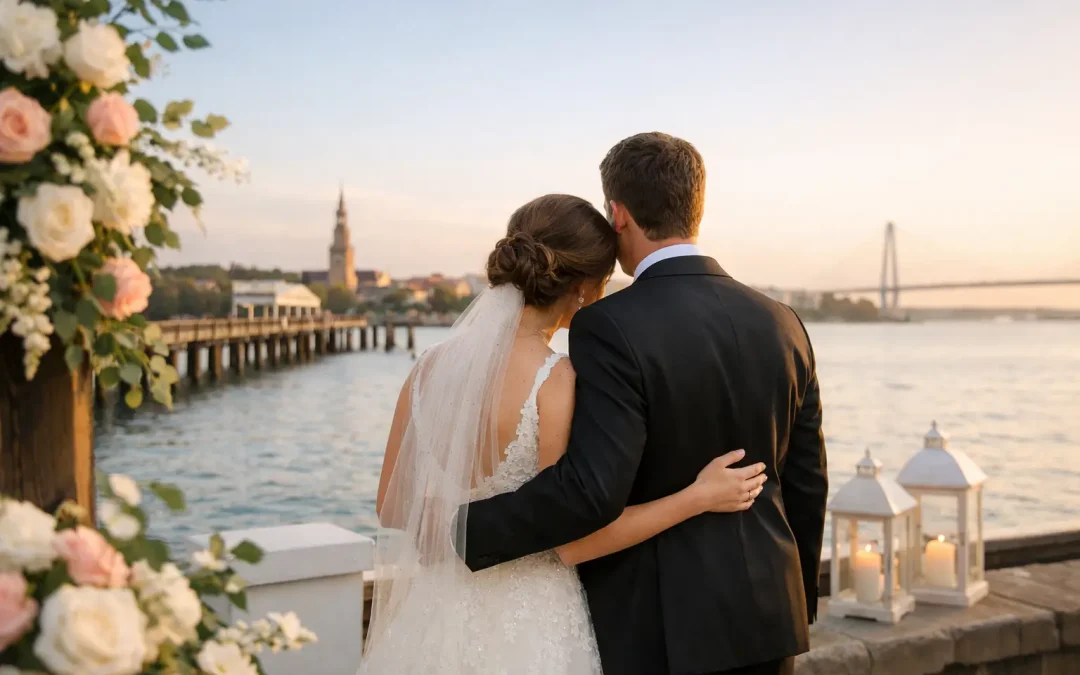
Picture a ceremony timed for that last golden stretch before sunset, with the water catching the light behind the altar and every guest actually comfortable in their seat. A strong charleston waterfront wedding example is not just about the view. It is about building an event that feels effortless in a setting that can be beautiful, breezy, humid, and logistically demanding all at once.
For couples and planners, waterfront weddings tend to create a particular kind of pressure. The location does a lot of the visual work, which sounds easy until every rental choice has to live up to that backdrop. If the furnishings feel too casual, the event can lose its sense of occasion. If the setup is overly formal, the natural setting can start to feel staged. The best waterfront events find a middle ground – polished, comfortable, and well considered from ceremony through last dance.
A Charleston waterfront wedding example that works
Imagine a 120-guest wedding on a lawn overlooking the harbor. The ceremony is set with clean-lined chairs in warm wood tones rather than stark white resin, which can read too basic against a luxury coastal setting. A simple aisle runner is skipped in favor of letting the site breathe, while floral moments are concentrated at the altar where they have the most visual impact in photos.
After the ceremony, cocktail hour moves to a terrace with high-top tables dressed in soft neutral linens, cane-back bar stools, and a statement bar that feels tailored to the architecture of the venue. Lounge seating is placed in small groupings rather than one oversized installation. That matters because guests at waterfront events tend to circulate, look at the view, and move with the light. Furniture should support that rhythm, not interrupt it.
Dinner takes place under a tent with open sides. The tent is not there to hide the setting. It is there to frame it while giving the event structure, shade, and insurance against shifting weather. Farm tables or refined wood-top tables can work beautifully here, but the finish needs to be intentional. On the coast, too-rustic pieces can start to feel themed. The better approach is texture with restraint – natural wood, tailored linens, thoughtful place settings, and lighting that warms the space after sunset.
This is where the event starts to feel elevated rather than simply scenic. Layered tabletop details, comfortable seating, proper lighting, and climate-minded infrastructure are what transform a pretty venue into a complete guest experience.
What makes a waterfront wedding feel elevated
The setting gives you atmosphere, but rentals define how guests move through it. Chairs that are beautiful but not supportive will be remembered for the wrong reason. A bar that looks underscaled can disappear visually. Dining tables that are too small for chargers, glassware, flatware, bread plates, and floral centerpieces create clutter fast.
An elevated waterfront wedding usually leans on balance. You want enough design presence to match the setting, but not so much that every piece competes with the horizon. That often means choosing rentals with refined silhouettes, natural materials, and a restrained palette. Ivory, sand, taupe, soft green, weathered wood, antique brass, and clear glass tend to work well because they complement water and sky instead of fighting them.
There is also a service side to elegance. Full setup and breakdown matter more at waterfront venues because access can be limited, timelines are often tight, and weather adjustments may need to happen quickly. Luxury, in this context, is not just about what guests see. It is also about how smoothly the event can adapt.
Layout matters more than most couples expect
A beautiful rental collection can still underperform if the layout is off. Waterfront sites often tempt people to push every seat toward the view, but that can create awkward traffic flow, poor service paths, or guest discomfort if the sun is too direct.
Ceremony layouts should account for light, breeze, and photography angles. Reception layouts need room for servers, dancing, and guest movement without sacrificing intimacy. Cocktail spaces should feel open enough for mingling while still offering enough surface area for drinks, appetizers, and personal items.
The practical question is simple: where will people actually want to stand, sit, eat, and talk? Once that is answered honestly, rental choices become much clearer.
The rental pieces that shape the experience
In a useful charleston waterfront wedding example, the most important rentals are rarely the flashiest ones. They are the pieces that keep the event coherent from start to finish.
Tables and chairs set the tone first. If the wedding is black tie coastal, upholstered dining chairs or elegant wood-framed chairs may feel appropriate. If the event is more relaxed but still refined, woven textures or simple natural finishes can strike the right note. The goal is consistency. Mixing too many styles can make the design feel undecided.
Tabletop rentals do more than decorate the table. They signal the level of hospitality guests should expect. Substantial flatware, well-proportioned glassware, and dinnerware with a clean profile help dinner feel intentional. Linens and napkins are where you can bring in softness and color without overcomplicating the design.
Bars, lounge furniture, and dance floors create the social energy of the evening. A waterfront reception often benefits from multiple destination points rather than one central cluster. Guests may be drawn toward the edge of the property for the view, back under the tent for dinner, and later toward the dance floor once the lighting shifts. Well-placed rentals help those transitions feel natural.
Tent and climate support deserve just as much attention as the visual pieces. On the Charleston coast, that can mean shade in the late afternoon, heaters in cooler months, or sidewall strategies if weather turns. These are not glamorous decisions, but they are often the reason an event feels calm rather than improvised.
Weather is part of the design brief
A waterfront wedding should always be planned with weather in mind from the beginning, not treated as a backup conversation in the final week. Wind can affect candles, paper goods, lightweight decor, and even place settings. Humidity changes how linens, florals, and guest comfort are experienced. Heat can shift the timing of cocktail hour and ceremony placement.
This does not mean the event has to feel cautious. It means the design should be grounded in reality. Weighted linens, stable furniture, covered catering areas, and flexible tenting plans are signs of smart planning, not compromise. The nicest events are usually the ones that anticipated the environment and responded gracefully.
Style choices that suit the waterfront
The strongest waterfront weddings tend to avoid overexplaining the location. You do not need obvious nautical motifs, aggressive blue-and-white styling, or decor that tells guests they are by the water. They already know.
Instead, the design can borrow from the setting in quieter ways. Textural linens, natural wood, soft neutrals, smoked or clear glassware, and floral palettes that feel airy rather than dense all tend to age well in photos. If color is important, it often works best as an accent rather than the whole concept.
This is also where editing matters. A waterfront venue already has movement, reflection, and visual depth. Adding too many statement pieces can flatten that effect. A few strong rentals used well usually feel more luxurious than a crowded room full of competing details.
Why local experience changes the outcome
Not every beautiful rental is right for every venue, and not every layout works the same way on a dock, lawn, terrace, or tented waterfront site. Local knowledge helps with the less visible questions: load-in timing, what happens when the breeze picks up at sundown, how a site handles rain, where guest flow tends to bottleneck, and which furniture profiles hold up best in outdoor conditions.
That is where a partner with Charleston event experience can make the process much easier. Republic Event Rentals, for example, works at the intersection of design and operations, which is exactly what waterfront events require. The aesthetic has to be right, but the execution matters just as much.
A strong wedding plan leaves room for beauty and real-world conditions at the same time. When those two sides work together, the event feels easy to the couple and generous to the guests.
If you are building a waterfront celebration, start with the view, then plan for everything the view does not solve. That is usually where the most memorable events begin.