


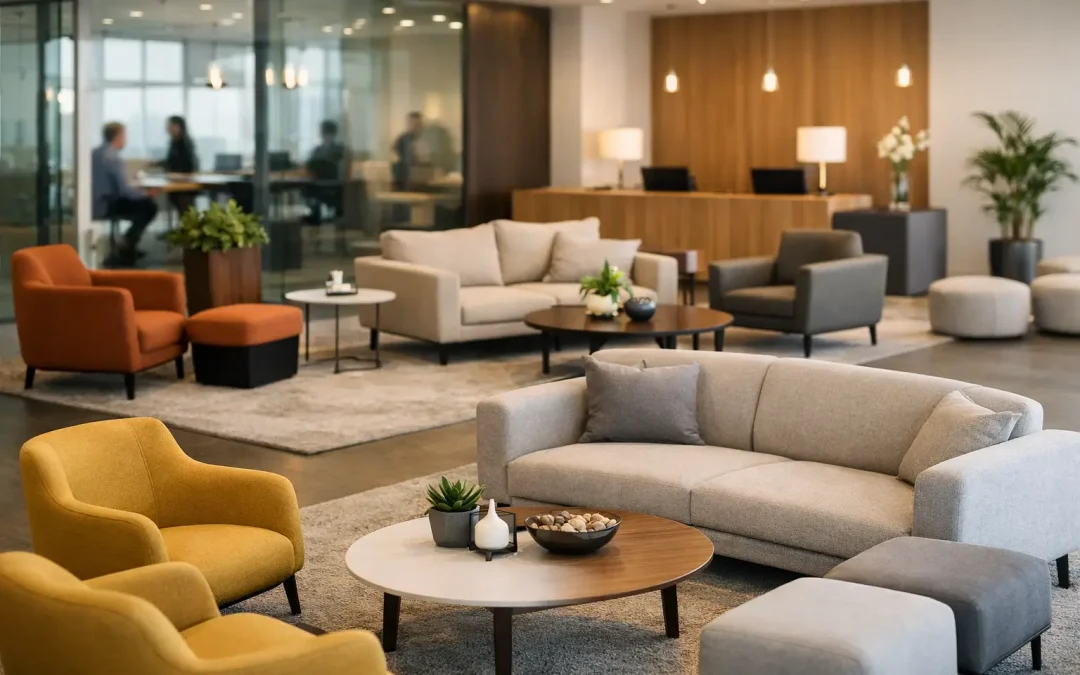
The fastest way to make a reception feel more welcoming is rarely another floral installation or a larger bar. It is usually better seating. Thoughtful reception lounge layout ideas give guests a place to settle in, connect, and stay longer without pulling energy away from the dance floor or dining room.
At a well-designed event, the lounge should feel intentional rather than leftover. It needs to support conversation, complement the room, and work with service flow. That balance matters whether you are planning a Charleston wedding, a corporate gathering, or a private celebration at home.
What makes a reception lounge layout work
A beautiful lounge is not only about the furniture itself. Placement does most of the heavy lifting. If seating is too far from the action, guests avoid it. If it is too close to a speaker stack, a buffet line, or a main traffic path, it becomes decorative rather than useful.
The best layouts create a clear purpose for the space. Some lounges are designed as a quiet retreat for older guests and couples who want to talk. Others are meant to feel lively and social, almost like a stylish extension of the bar. Both can work. The difference is how close they sit to key event moments and how the seating is arranged.
Scale is another factor that gets overlooked. A lounge can look undersized in a grand ballroom and oversized in a tent or historic venue with tighter proportions. In most cases, you want enough seating to invite use without replacing assigned dining tables. That usually means treating the lounge as a secondary social zone, not the primary place guests will spend the entire evening.
Reception lounge layout ideas for different event styles
1. The central statement lounge
For larger receptions, placing one substantial lounge in a visible central area can anchor the design of the room. This works especially well when there is enough square footage to create circulation around it rather than through it. A central layout often includes a sofa, a pair of lounge chairs, and a coffee table, with side tables or ottomans layered in for flexibility.
This approach feels polished and editorial, but it depends on space. In a tighter venue, a central lounge can interrupt movement between dinner, dancing, and the bar. It is best when the room has natural breathing room and the lounge is meant to be part of the visual experience.
2. Two smaller lounges instead of one large one
Many events are better served by splitting seating into two lounge zones rather than building a single oversized arrangement. One can live near the bar for lively conversation, while another sits farther out for guests who want a quieter spot. The room feels more balanced, and guests are not all pulled into one corner.
This is especially effective for weddings and fundraisers where guest groups tend to spread out. It also helps with mixed-age crowds. One lounge may become a natural home for older relatives, while the other attracts younger guests between trips to the dance floor.
3. The perimeter lounge for open dance floors
If dancing is a major priority, placing lounge groupings around the edge of the room often makes the most sense. This keeps the center open and energetic while still offering comfort nearby. Guests can sit, watch, and rejoin the action easily.
Perimeter layouts work well in tents and open-plan venues because they preserve sightlines. The trade-off is that the lounge may feel less immersive as a design feature. That can be solved with strong styling choices such as layered rugs, distinctive upholstery, and well-scaled tables that make the area feel deliberate.
4. The bar-adjacent conversation lounge
One of the most practical reception lounge layout ideas is to place soft seating near, but not directly beside, the bar. Guests naturally gather in that part of the room, so giving them a comfortable place to land makes the event feel more hospitable.
The key is distance. Too close, and the lounge gets crowded by the ordering line. Too far, and it loses convenience. A few steps away is ideal. This arrangement tends to work beautifully for cocktail-style receptions, corporate mixers, and wedding after-parties where mingling is the focus.
5. The sweetheart or VIP lounge
Some receptions call for a more private seating area reserved for the couple, hosts, or special guests. This can be styled as a focal moment with elevated furnishings and thoughtful placement that offers visibility without putting people on display.
For weddings, this works best when the couple wants a comfortable place to pause, greet guests, or share a quiet moment. For corporate and social events, a VIP lounge near the stage or presentation area can feel elevated without becoming stiff. The challenge is making it feel special without isolating the people using it.
How to arrange furniture inside the lounge
The right footprint depends on how guests will actually use the space. If the goal is conversation, seats should face one another closely enough that people can talk without leaning forward or raising their voices. A sofa across from two chairs is a classic arrangement because it feels balanced and easy to enter.
If flexibility matters more, modular pieces and ottomans give guests more options. They can perch briefly, turn toward the music, or join a larger group. This is useful at cocktail receptions where people move often rather than staying seated for long stretches.
Tables matter more than many hosts expect. Without enough surfaces for drinks, guests either avoid the lounge or start balancing glasses on chair arms. Coffee tables ground the grouping, while side tables make it more functional. At events with passed hors d’oeuvres, the lounge should have enough tabletop space to support a plate and a drink without feeling crowded.
Layout choices that depend on the venue
Charleston-area events often come with beautiful venues and a few practical constraints. Historic properties may have narrower rooms, old flooring, or stricter access paths. Tented receptions can be more flexible, but they still need layouts that account for flooring, weather, and transitions between dining and dancing.
In a ballroom, symmetry often looks polished. Matching lounge arrangements on either side of a dance floor or stage can create order and elegance. In a garden or courtyard, a more relaxed asymmetrical layout usually feels better. A lounge can follow the shape of the site rather than forcing strict geometry where it does not belong.
Outdoor receptions also require extra thought around climate. Upholstery should be appropriate for the setting, and lounges should not be placed where guests will sit in direct late-afternoon sun if the event begins early. In cooler months, positioning a lounge near outdoor heaters can extend its use, but not so close that the area becomes uncomfortable.
Common mistakes that make lounges look good but feel awkward
One of the most common issues is under-furnishing. A single sofa with too much empty space around it rarely reads as a lounge. It reads as one lonely piece of furniture. Groupings need enough visual and functional weight to feel complete.
Another mistake is ignoring traffic flow. Guests should never need to cut between a sofa and coffee table to reach the bar, restroom, or dance floor. If that happens, the lounge stops feeling relaxed. It becomes a shortcut.
Overstyling can also work against comfort. Decorative pillows, accent tables, and layered accessories are useful, but only when they support the event rather than clutter it. At a reception, people need places to sit, set down a drink, and move naturally. Beauty should never get in the way of use.
Matching the lounge to the tone of the event
A black-tie wedding lounge should not be arranged the same way as a casual welcome party, even if both use beautiful furniture. Formal events usually benefit from stronger symmetry, richer textures, and a little more space between pieces so the setup feels composed. Social parties and after-hours receptions can be more relaxed, with layouts that encourage guests to drift in and out.
Corporate events often sit somewhere in the middle. A lounge should feel polished and branded, but still warm enough to invite conversation. That usually means choosing clean lines, comfortable seating, and a layout that supports networking without looking staged.
This is where rental selection and layout planning need to work together. At Republic Event Rentals, for example, the most successful lounge spaces are usually the ones planned with both aesthetics and logistics in mind from the start. The furniture looks elevated because it belongs in the room, and the room functions well because the layout was never an afterthought.
How to know how much lounge seating you need
There is no perfect formula, because guest behavior changes by event type. A seated wedding reception with a strong dance floor focus needs less lounge seating than a cocktail-style fundraiser or networking event. In general, the lounge should support a portion of the guest list, not all of it.
If you expect guests to circulate constantly, smaller clusters may be enough. If the event includes a long cocktail hour, older guests, or a more relaxed timeline, more seating is worth the investment. It is also smart to think about where guests naturally pause. Near the bar, outside the tent, beside the dance floor, and near scenic views are all strong candidates.
The best lounge layouts do not shout for attention. They simply make the event feel easier, more gracious, and more complete. When guests have a beautiful place to gather, the whole reception becomes more inviting from the moment they arrive.