

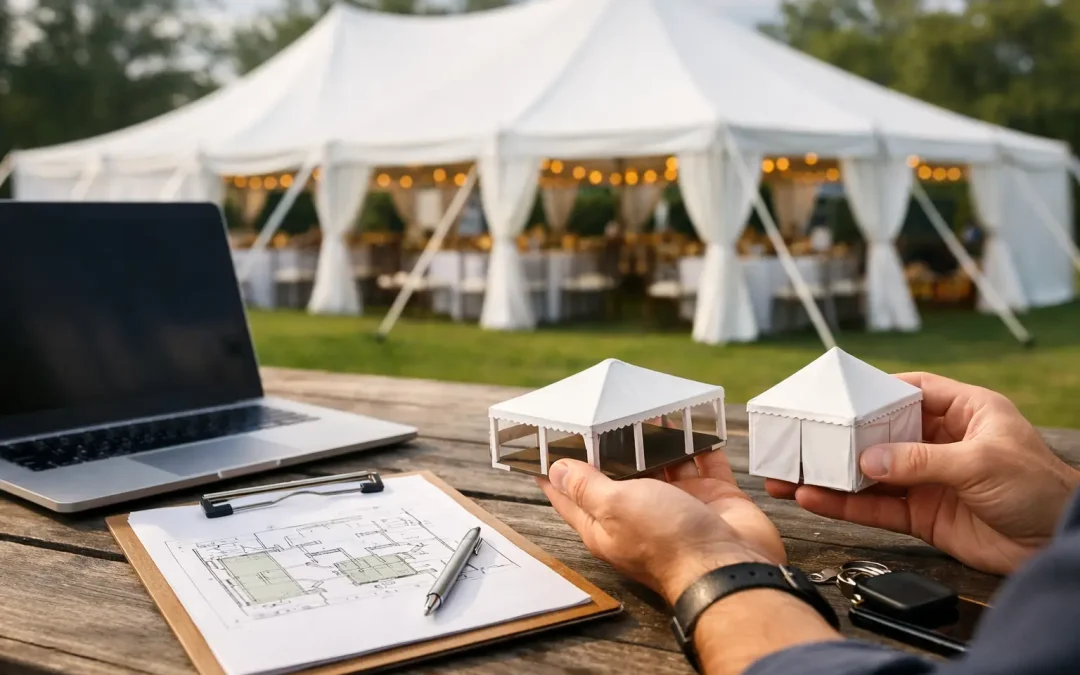
A tent can change everything about an event – the look, the guest flow, the weather plan, and the level of comfort people remember long after the last toast. If you are figuring out how to rent event tents, the real goal is not simply covering a space. It is creating an environment that feels intentional, comfortable, and beautifully suited to the occasion.
In Charleston and across the Lowcountry, that decision carries a little more weight. Sun, wind, humidity, soft ground, sudden showers, and waterfront conditions all shape what works and what does not. A tent should complement the setting and protect the experience, not create new problems on event day.
How to rent event tents for the right kind of event
The best starting point is not tent style. It is the event itself. A wedding reception with a band, plated dinner, lounge seating, and a full bar needs a very different footprint than a cocktail-style corporate gathering or a backyard birthday dinner.
Before requesting a quote, think through how guests will actually use the space. Will everyone be seated at once? Are you planning for a dance floor, buffet, catering prep, or satellite bars? Do you want a ceremony tent, a reception tent, or both? These details matter because square footage disappears quickly once tables, chairs, staging, and service areas are added.
This is where many hosts underestimate their needs. They count guests, choose a tent that sounds large enough, and only later realize they have not allowed for circulation, entertainment, or weather-related adjustments. A well-sized tent feels open and gracious. An undersized one feels crowded before dinner is even served.
Start with guest count, then add the experience
Guest count is the baseline, but it should never be the only number guiding your decision. A seated dinner typically requires far more room than a standing reception. If the event includes wide farm tables, oversized chairs, lounge furniture, or statement bars, you will need additional space beyond the basic seating plan.
It also helps to think in zones. Dining is one zone. Dancing is another. Welcome space, catering access, gift tables, escort card displays, and lounge moments all take room. For upscale events, that extra breathing room is often what makes the design feel relaxed and polished instead of tight and overfilled.
If the event is outdoors during a warmer season, guests will also appreciate layouts that allow for airflow and easy movement. During cooler months, enclosed tenting with heaters may make sense, but that choice changes the equipment plan and the atmosphere. The tent should support the mood you want, not fight it.
Choose a tent style that fits the setting
Not every tent works on every property or venue. Frame tents are often a strong choice when flexibility matters because they can work in spaces where staking may be limited or where a cleaner interior footprint is preferred. Pole tents can create a classic look, but they require center poles and specific installation conditions.
For some events, the visual profile matters just as much as the function. A tent should feel proportionate to the property, the landscape, and the style of the celebration. On a formal estate lawn, a crisp, structured tent may feel elegant and tailored. For a garden party or coastal celebration, the right tent can frame the setting without overwhelming it.
This is also where local expertise becomes valuable. Ground conditions, access points, surface type, drainage, and wind exposure all influence which tent style is realistic. A beautiful plan on paper still has to work on site.
Site conditions matter more than most people expect
One of the most overlooked parts of how to rent event tents is the venue walkthrough. A tent is not a decorative afterthought. It is a structure, and the site needs to support it.
A few practical questions usually reveal what is possible. Is the surface grass, gravel, concrete, or a mix of all three? Is the ground level? Are there trees, low branches, irrigation lines, gates, or overhead wires? How close can trucks get for delivery and installation? Are there venue restrictions on staking, timing, or access?
In Charleston-area properties, moisture and softness underfoot can be as important as square footage. If the ground is uneven or likely to become muddy, flooring may move from optional to essential. Flooring adds refinement, improves guest comfort, and gives heels, service staff, and furniture a much more stable foundation.
Do not treat weather as an afterthought
Tent rentals are often chosen because they provide peace of mind, but the tent itself is only part of the weather plan. Sidewalls, fans, heaters, flooring, and layout all affect how well the event holds up if conditions shift.
A bright afternoon ceremony may require shade and airflow. An evening reception near the water may need more protection from wind than expected. A passing shower may not ruin an event, but poor drainage, exposed catering stations, or damp guest seating certainly can.
The right approach is to plan for comfort, not just coverage. That means asking how the space will feel during the hottest part of the day, after sunset, or in changing weather. It also means being realistic. A fully enclosed tent can be useful, but it creates a different atmosphere than an open, breezy layout. The best choice depends on the season, the site, and the style of gathering.
Think beyond the tent itself
When people ask how to rent event tents, they are often really asking how to rent a fully functional event space. The tent is the framework, but the guest experience depends on everything around it.
Lighting is a major part of that. Daylight fades quickly at a reception, and the right lighting shifts a tent from practical shelter to a finished environment. Flooring can define the space and improve comfort. Draping can soften the structure and elevate the aesthetic. Climate elements such as heaters or fans help the event remain pleasant instead of merely possible.
Then there is infrastructure. Power, catering access, bars, dance floors, restrooms, and service paths all deserve attention early. A beautifully designed tent loses some of its polish if staff are navigating muddy ground or if guests have no clear path from cocktail hour to dinner.
For hosts who want an event to feel cohesive, it is often easier to plan the tent alongside tables, chairs, linens, tabletop, and lounge pieces rather than treating each category separately. The tent should support the full visual direction and operational plan.
Ask better questions before you book
A quote is helpful, but it is not the whole story. The better conversation is about what is included, what is recommended, and what site conditions could affect the final plan.
Ask about installation timing, breakdown timing, permits if needed, and whether the proposal includes sidewalls, flooring, lighting, and climate accessories. Ask what happens if the forecast changes. Ask whether the site has been reviewed and whether the tent size reflects your actual floor plan rather than a rough guest estimate.
It is also worth asking who is coordinating the moving parts. Tenting has a way of touching nearly every other event element, from catering to entertainment to rentals. A service-oriented rental partner will help connect those pieces so the tent functions like part of a complete event plan.
Budget for value, not just for square footage
Tent pricing can vary widely, and the lowest number is rarely the most informative one. A basic tent shell may sound appealing until you realize the event also needs flooring, lighting, sidewalls, delivery, setup, and weather contingencies.
The smarter way to budget is to consider what level of finish and support the event requires. For a refined wedding or a well-executed corporate event, comfort and presentation are not extras. They are part of the guest experience. Investing in the right tent package often prevents the more expensive problem of a space that feels unfinished, cramped, or vulnerable to the weather.
For Charleston-area events, that planning mindset matters. A coastal setting is beautiful, but it rewards preparation. Working with a team that understands local venues, site logistics, and seasonal conditions can save time and avoid last-minute pivots. That is part of why clients often turn to full-service partners such as Republic Event Rentals when the event needs both style and operational confidence.
The best tent rental feels easy for guests
A well-planned tent does not call attention to the problems it solved. Guests simply arrive, settle in, and enjoy a space that feels comfortable, elegant, and naturally suited to the occasion. That is the standard worth aiming for.
If you are deciding how to rent event tents, start with the experience you want people to have, then build backward through layout, site conditions, weather planning, and support. The right tent does more than cover an event. It gives the celebration shape, presence, and a sense of ease that guests can feel the moment they walk in.