


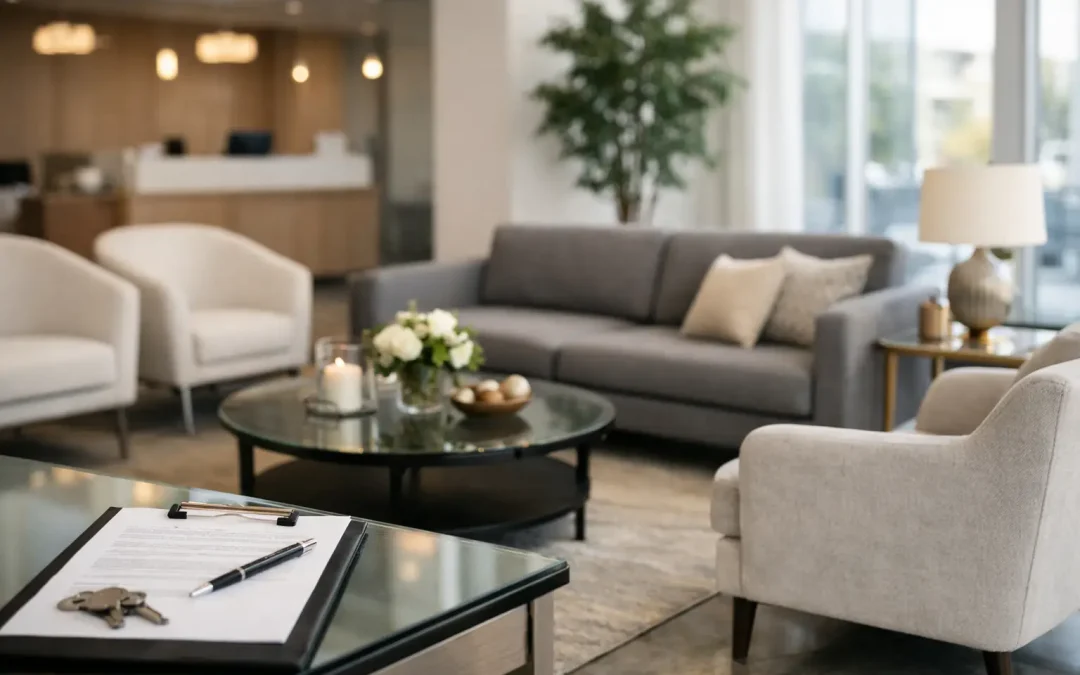
The fastest way to make a reception feel thoughtful instead of purely functional is to give guests a place to settle in. If you are figuring out how to rent reception lounge furniture, the goal is not simply to fill open floor space. It is to create comfort, conversation, and a visual rhythm that supports the entire event.
A well-designed lounge changes how a room feels. Guests have a place to pause between dinner and dancing, older relatives have a comfortable perch, and the overall layout feels more intentional. The right rental plan brings style and ease at the same time, but getting there usually comes down to a few practical decisions that matter more than people expect.
How to rent reception lounge furniture without overdoing it
The first step is knowing what the lounge needs to do. For some receptions, the lounge is a quiet retreat near the dance floor where guests can chat without shouting over the music. For others, it is a visual focal point, almost like a second gathering area that helps anchor a tent, terrace, or cocktail hour extension.
That purpose affects every other choice. If your reception is large and high-energy, you may want several smaller seating moments spread throughout the venue rather than one oversized installation. If the guest count is more intimate, one well-scaled lounge grouping can feel generous without making the room look crowded.
This is where many hosts miscalculate. They rent too much seating because a showroom-style setup looks beautiful in photos, or too little because they assume dinner tables will do all the work. Reception lounges should complement the event, not compete with it. The sweet spot is enough furniture to invite use without making the floor plan feel chopped up.
Start with the event flow, not just the furniture
Before selecting sofas or accent chairs, think through how guests will move through the space. Where will they enter? Where will they get drinks? How close is the dance floor, band, bar, or buffet? A lounge that looks perfect on paper can become awkward if it blocks traffic or sits in a dead corner nobody naturally reaches.
The most successful layouts support movement. Guests should be able to approach the lounge easily, set down a cocktail, and join a conversation without dragging chairs around or squeezing between tables. That usually means leaving comfortable circulation space around each grouping and avoiding pieces that are too deep or bulky for the room.
At receptions, scale matters as much as style. A curved sofa can be stunning, but it needs enough breathing room to feel elegant. A collection of petite chairs may suit a historic venue or smaller indoor room better than large sectional-style seating. Outdoor settings bring another layer. Grass, uneven surfaces, and weather exposure can all affect what makes sense to rent.
In Charleston and other coastal event settings, that consideration is especially useful. Humidity, breeze, and tented layouts can all influence which materials, cushions, and furniture footprints perform best over the course of an evening.
Decide how many lounge areas you actually need
One lounge area is not automatically enough, and several are not automatically better. It depends on guest count, venue layout, and how long the reception lasts.
If the reception includes a long cocktail hour, dinner, and dancing, guests benefit from more than one place to sit outside their dining table. A larger event often feels better with two or three coordinated lounge moments rather than a single oversized cluster. This keeps people from crowding one area and helps the room feel balanced.
On the other hand, if your venue is compact, one refined grouping may be the better choice. Too many vignettes can make service paths tighter and break up the energy of the room. There is always a trade-off between atmosphere and floor space, so the best plan is usually the one that supports both guest comfort and venue function.
Choose a style that supports the reception design
Lounge furniture should feel connected to the rest of the event, not like a separate decorating idea. That does not mean every piece has to match exactly. It means the shape, finish, upholstery, and overall tone should belong in the same visual family as your tablescape, bar setup, florals, and venue.
For a black-tie reception, cleaner silhouettes, tailored upholstery, and refined neutral tones often work beautifully. For a garden party or coastal celebration, lighter textures and softer lines may feel more natural. Corporate receptions may call for a lounge that feels polished and brand-aware without tipping into overly formal.
This is also where restraint helps. Not every reception lounge needs bold color or dramatic statement furniture. Sometimes the more elevated choice is a quieter palette with thoughtful layering through pillows, ottomans, and accent tables. The furniture sets the tone, but it should still leave room for the event itself to shine.
What pieces are usually worth renting
Most reception lounges are built from a few core elements: a sofa or settee, two to four lounge chairs, and one or two tables. From there, the mix can expand depending on the size of the grouping and the look you want.
Coffee tables are practical because guests need somewhere to place drinks. Side tables matter more than people expect for the same reason. Ottomans can add flexibility, especially when you want extra seating without crowding the arrangement with too many full-size chairs.
Area rugs are often a smart addition when the venue allows them. They help define the lounge visually and make the setup feel finished rather than placed. Bars, sideboards, and adjacent highboys can also work well nearby, but they should support the lounge rather than overwhelm it.
Ask the rental questions that affect execution
Once you know the look and scale you want, the next part of how to rent reception lounge furniture is evaluating service, not just inventory. Beautiful pieces only help if they arrive in excellent condition, fit the venue, and are installed correctly.
Ask about dimensions first. This seems obvious, but many clients fall in love with a photo before confirming whether the actual footprint works in their reception space. Get measurements for each piece and review them against the floor plan.
Then ask what is included with the rental. Delivery, placement, setup, and breakdown can make a major difference in both cost and peace of mind. Full-service support is especially valuable when the lounge needs to be styled precisely or installed under a tight venue timeline.
It is also worth asking about surface conditions and access. Some venues have narrow doorways, elevators, historic flooring restrictions, or outdoor load-in limitations. A seasoned rental partner will flag those issues early and recommend pieces that suit the setting.
If you are renting for a wedding or a high-guest-count corporate event, ask whether the lounge furniture has been used successfully in similar environments before. Experience matters. A company that understands event pacing, venue logistics, and guest behavior will guide you toward options that look good and function well.
Don’t forget comfort
A lounge can photograph beautifully and still go unused if it is not comfortable. This usually happens when pieces are too upright, too low, or arranged more for symmetry than conversation.
The best reception lounges feel inviting at first glance. Seats should be easy to get in and out of, especially for guests in formalwear or older attendees who prefer a bit more support. Table height should make sense for drinks and small plates. Distances between seats should feel social, not stiff.
Comfort also means thinking about the event timeline. If guests will only use the lounge briefly during cocktail hour, a more decorative setup may be fine. If it needs to serve people through a full evening, comfort should lead the decision. There is no glamour in furniture nobody wants to sit on.
Work backward from the venue and budget
Budgeting for lounge furniture is rarely just about the furniture. It includes labor, transportation, setup conditions, and sometimes protective measures depending on the site. The venue itself can either simplify the plan or make it more complex.
A ballroom with easy access and a clear floor plan may allow for more flexibility. A tented private residence may require more strategic choices because of terrain, weather preparation, and installation timing. If the budget is tight, it often makes more sense to rent fewer, better pieces and let them breathe than to crowd the room with too many smaller items.
That is one reason curated rental guidance matters. A strong design-service team can help you prioritize what creates the most impact. Sometimes that means one standout lounge near the dance floor. Sometimes it means scaling back upholstery and investing more in bars, tabletop, or tenting depending on the event’s needs.
For hosts who want both design and operational ease, working with a full-service partner like Republic Event Rentals can simplify the process substantially. The value is not just in access to elevated inventory. It is in having a team that understands how the room should look, how the pieces should fit, and how the installation should actually run.
When reception lounge furniture is chosen thoughtfully, it does more than fill a corner. It gives guests a reason to linger, makes the event feel more gracious, and adds that finished quality people notice even when they cannot quite name it. If you start with flow, scale, comfort, and service, the right lounge usually becomes one of the most appreciated parts of the room.